A first commercial batch
Prepare stock that looks and feels ready for customers while keeping the initial quantity grounded in expected demand.
START-UP CO-PACKING UK
Move from samples and self-packing to a credible commercial batch without planning for demand you have not proved yet.
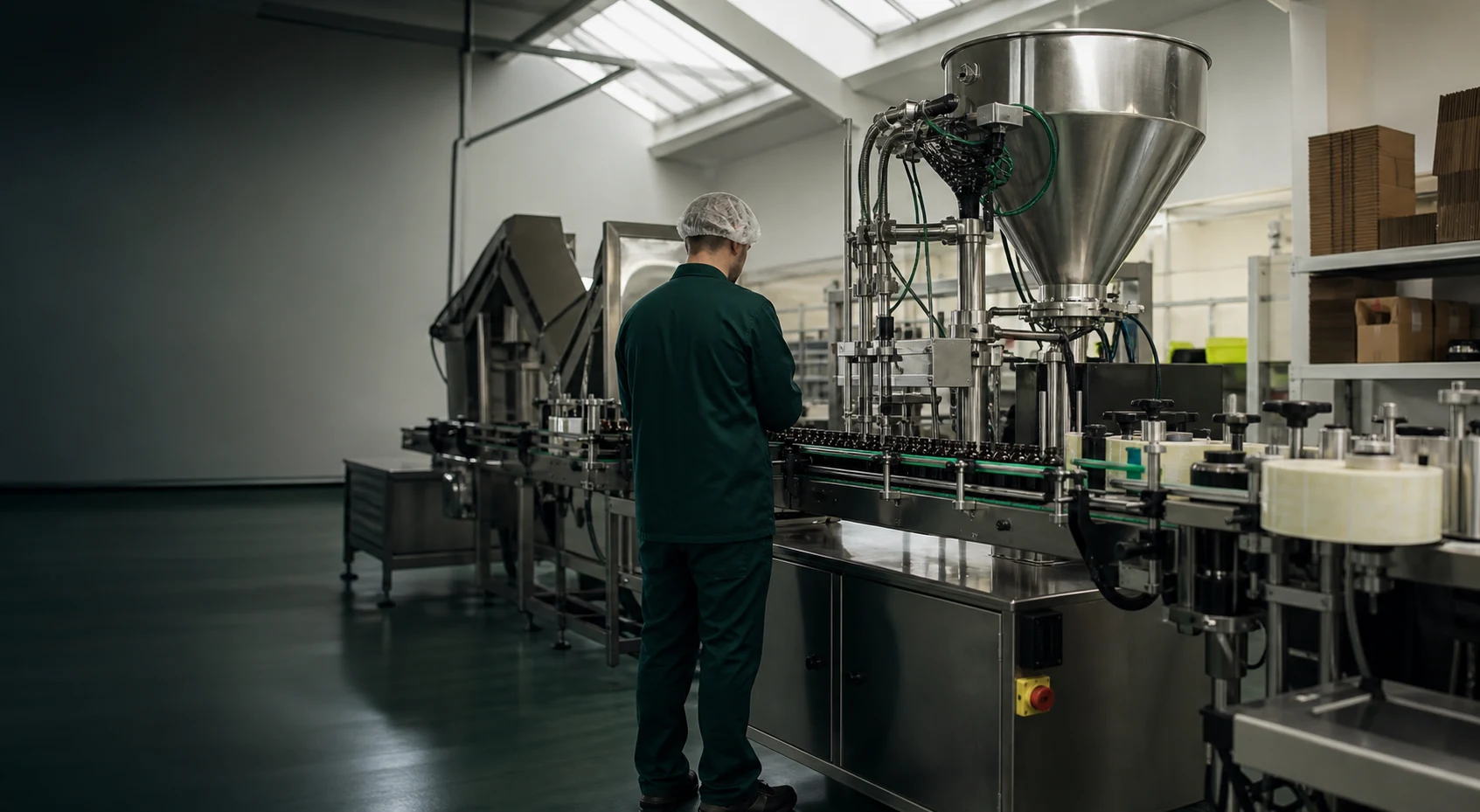 PROJECT ROUTE / 01
DIRECT ANSWER
A start-up can outsource filling, labelling, kitting or final packing to produce a defined commercial batch without buying its own packing equipment or building a permanent packing team. The useful starting point is the real product, pack format, quantity and launch date—not a high-volume forecast.
WHEN THIS ROUTE HELPS
The route is reviewed against the real components, quantity, presentation and timing before work is agreed.
Prepare stock that looks and feels ready for customers while keeping the initial quantity grounded in expected demand.
Test the product, packaging route or presentation before deciding what a larger repeat process should look like.
Add a new size, variant, seasonal line or bundle without disrupting the packing route used for existing products.
Free founders and internal teams from repetitive packing work when it starts to compete with sales, product and customer activity.
PLAN THE BATCH
A defined finished unit and a realistic material schedule make a better starting point than a vague request for a price per item.
Confirm what one finished saleable unit contains, how it should look and which components are already approved.
Share the first-run quantity and expected repeat pattern so the packing route can be assessed honestly.
Identify which products, containers, closures, labels, inserts and cartons are ready and which still need a supply decision.
Agree the packing sequence, presentation reference and practical checks before the launch batch begins.

WHAT TO SEND
BUYER QUESTIONS
These answers help turn the project idea into the information needed for a useful review.
Yes. Start-ups, new products and first commercial batches are a natural fit for the small-batch focus. Every enquiry is still reviewed against the product, components, process, quantity and timing.
There is no single minimum that suits every job. Setup, pack format, product handling and the amount of manual work all affect whether a quantity is practical.
No. Send the details you know and clearly identify what is still undecided. That makes it easier to separate immediate packing questions from later sourcing or artwork decisions.
Yes. A successful pilot can provide a clearer specification for repeat work, subject to materials, capacity and any changes learned from the first run.
Common causes include incomplete artwork, incompatible components, unclear finished-pack standards and unrealistic material or launch dates. Raising those points early makes the route easier to plan.
START WITH THE REAL BATCH
Share the product, pack format, quantity and required date. Stockholm Ltd will review the practical fit before anything is agreed.
Request a project review